Ray Ming-rui Sun
This experimental film project employs the cinematic language of “selection” and “gaze” to conduct a profound intervention and inquiry into the geoeconomics, cultural aesthetics, and individual existential paradoxes underlying the Myanmar jadeite industry.

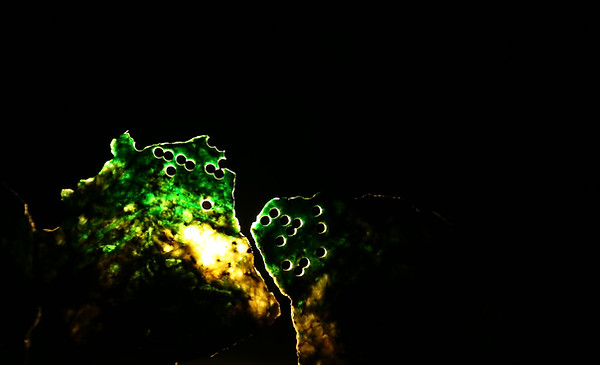
Since the late Qing Dynasty, Myanmar jadeite—driven by stable supply, the authoritative patronage of Empress Dowager Cixi, and its unique vitreous (glassy) luster—gradually upended the millennial Chinese aesthetic tradition of "warmth and mellowness" represented by Hetian nephrite jade. This process was distinctly top-down: originating in courtly preference, followed by elite emulation, and finally culminating in grassroots adoration. Ultimately, the "cold luster and high quality" of Myanmar jadeite became the most revered category within the Sinosphere, establishing a massive, stable, and enduring external driver that has shaped the global value system of jadeite. Using jadeite—this "gift from the heavens"—as a medium, the film reveals its existence as a double-edged sword for Myanmar society within the context of contemporary globalization.
While jadeite is an unparalleled natural wealth that should ideally serve as a cornerstone for development, it has instead become a catalyst for social unrest under the structural constraints of political instability, economic limitations, and historical legacies. Disputes over ownership, mining rights, and profit distribution have exacerbated social class conflicts and the wealth gap, pushing commoners into a chaotic grey zone fraught with peril. In this harsh economic reality, many Burmese workers, unable to find legal means to support their families, are forced to pin their hopes on high-risk, illicit sectors. Operating under the logic of "seeking fortune in the heart of risk," they face a complex destiny where "divine blessing" and "existential tragedy" coexist.

The core dialectic of this work lies in an open-ended exploration of this global ethical dilemma. The narrative is driven by the first-person voices of ordinary Myanmar jadeite practitioners, strictly avoiding any authorial gaze characterized by pity, condescension, critique, or scrutiny—sentiments often found in Western "blood diamond" narratives. This approach is not only an act of respect toward their reality but also a critique of external "moral superiority." We oppose the "bullying" style of moral judgment exercised by consumers in stable nations, whose self-sacrificing acts of "boycott" often ignore the structural predicaments of producers. Ultimately, the film guides the audience to confront the immense tension between the grand value of resources and the minute suffering of individuals, initiating a profound reflection on the ethical responsibilities shared between consumer and producer.
The four sentences at the end of the film, detached from the discussion of jade itself, exposing a fundamental absurdity: a stone forged by tens of millions of years of geological evolution is reduced to labels of "luxury" or "trash" by a fleeting, subjective human aesthetic. This jade is the land itself, an incarnation of the natural mother whose existence predates all human systems of valuation by eons. Yet, humanity applies its narrow "tastes" and "aesthetic prejudices"—clarity, color, and translucency—to measure, price, and fight over it, even unto death. This exposure lays bare the profound arrogance of anthropocentrism: the elevation of ephemeral cultural whims over billions of years of planetary creation.